 What's trending, explained.
What's trending, explained.
What's trending, explained.
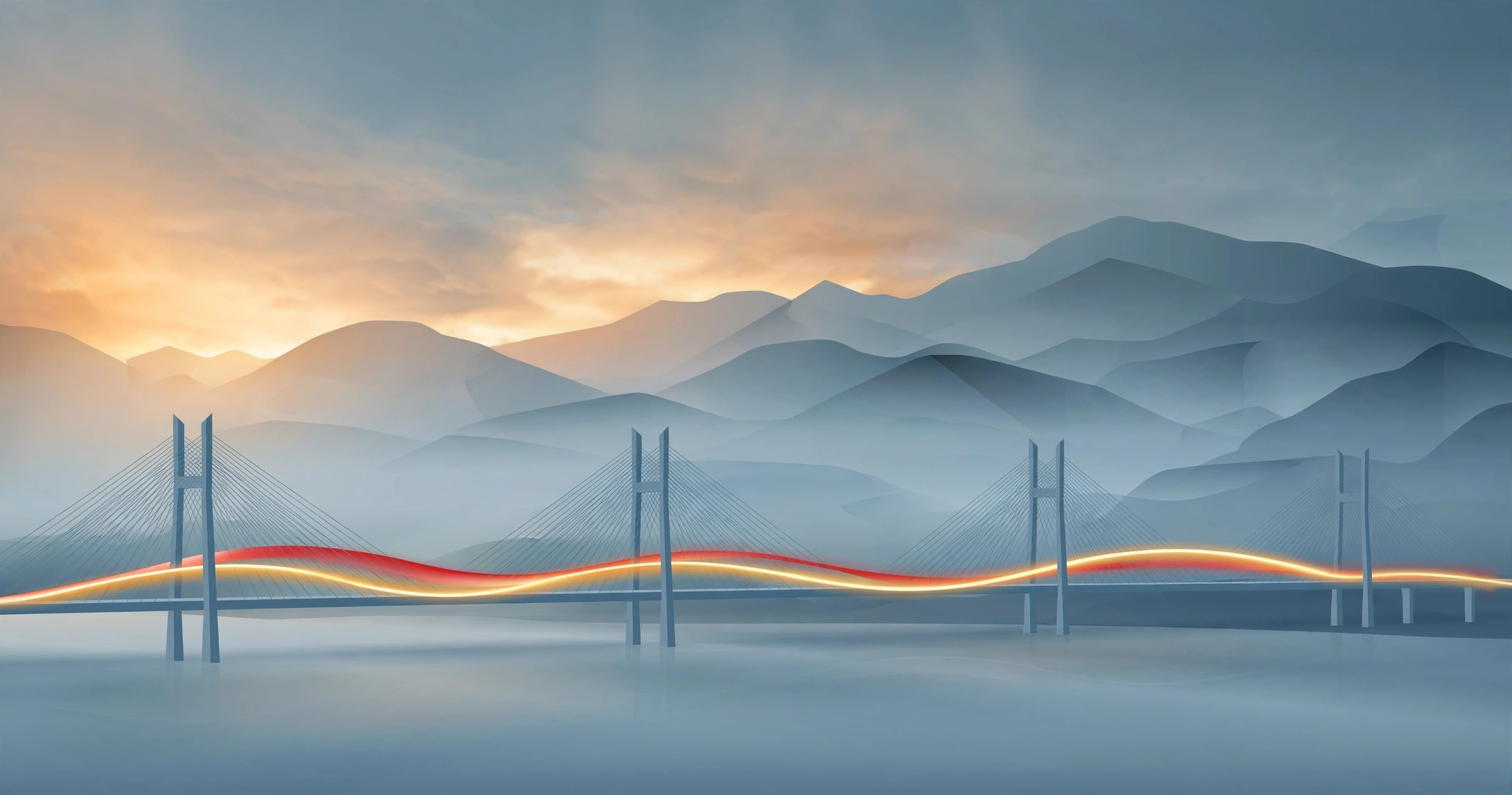
On Thursday, October 15, 2026, China and North Korea officially opened the New Yalu River Bridge, their most significant land border crossing. Trucks decorated with the national flags of both neighbors drove across the 3-kilometer (2-mile) cable-stayed bridge, whose tall pylons were also decked in flags, linking the Chinese city of Dandong with North Korea.
The striking part is the timing: the bridge itself was completed in 2014 but stood unused for more than a decade while North Korea left its approach roads and customs compound unfinished. Spectators crowded a road on the Chinese side to watch the opening ceremony, which featured video addresses from leaders on both sides.
Chinese Premier Li Qiang said bilateral relations were "entering a new phase, embarking on a new chapter," according to the official Xinhua news agency. He said the crossing would strongly promote economic and trade cooperation, deepen people-to-people exchanges, and improve border clearance procedures. North Korean Premier Pak Thae Song also delivered a video address — though, notably, North Korea's state media had yet to report on the event as of the opening.
The bridge is the latest and most concrete sign of warming ties between Beijing and Pyongyang, following two summits between their leaders in the past year. After years of strained relations and pandemic-era shutdowns that choked cross-border commerce, China and North Korea are signaling a deliberate reopening of their economic relationship.
But analysts urge caution about what the bridge actually unlocks. Lim Eul-chul of Kyungnam University's Institute for Far Eastern Studies told Reuters the bridge is "unlikely to lead immediately to a full-scale return to pre-sanctions trade." North Korea, he noted, remains cautious about growing too dependent on China even as it seeks economic growth.
What the crossing does change is capacity: the bridge makes it far easier to move heavy equipment, raw materials, and energy products — exactly the kinds of goods North Korea needs for its development efforts. International sanctions remain a ceiling on how much trade can resume, but the infrastructure is now in place for whatever commerce is permitted.
Watch whether North Korea's state media acknowledges the opening — the silence so far fits a pattern of Pyongyang moving quietly on economic reopening. Watch also for the next EU-China meeting in March, since Beijing is juggling this rapprochement with its neighbors alongside tense trade negotiations with Europe.
For now, the bridge stands as a 12-year-overdue bet: that physical connection between the two countries will translate into real economic momentum. Trucks are crossing. Whether that becomes a trade surge depends on sanctions policy, Pyongyang's willingness to deepen dependence on Beijing, and how many of the goods crossing the bridge the world is willing to tolerate.