 What's trending, explained.
What's trending, explained.
What's trending, explained.
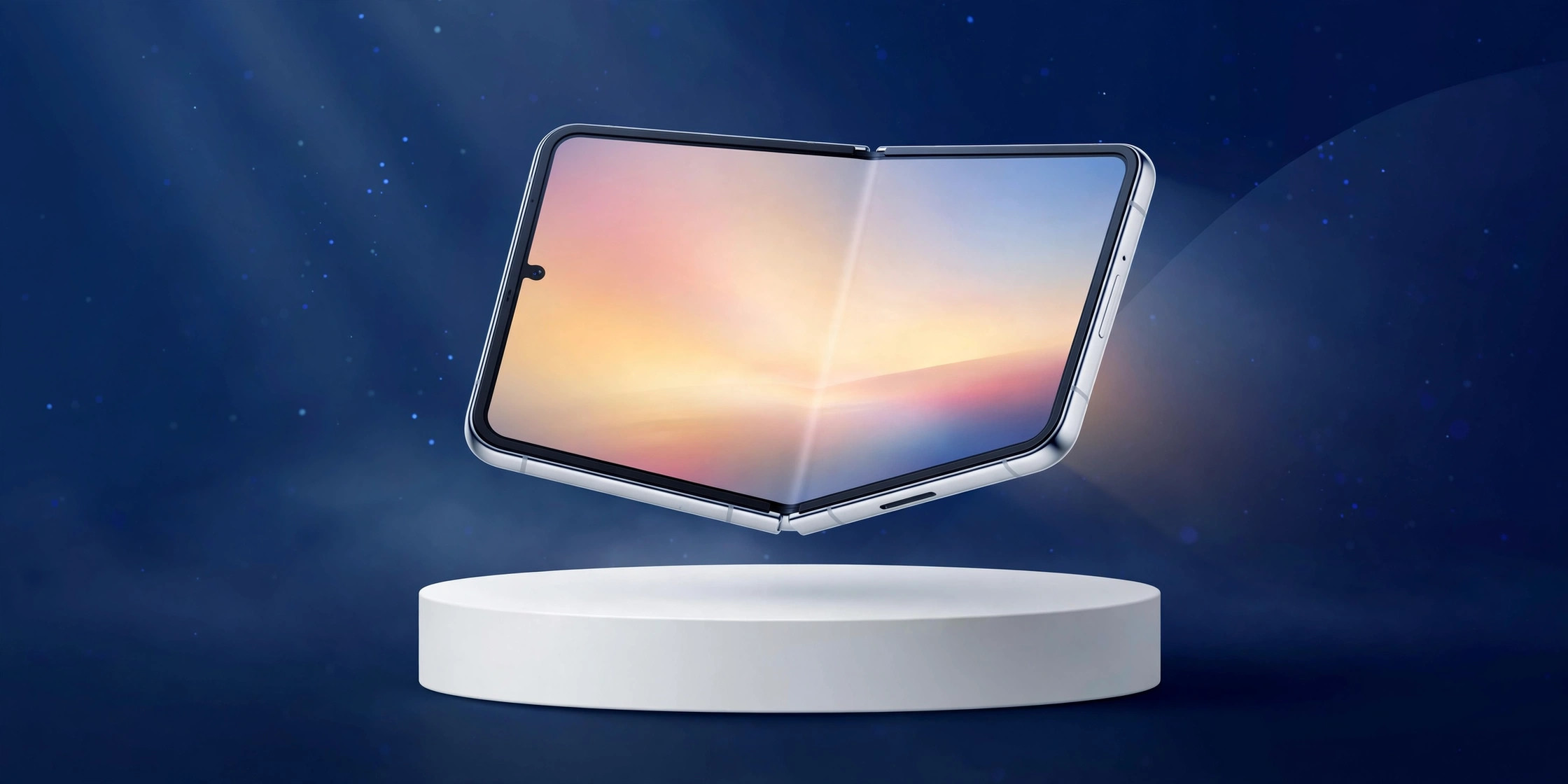
Apple's first foldable iPhone goes up for pre-order today. The iPhone Duo becomes available to pre-order on Friday, October 16, 2026, at 5 a.m. Pacific Time, and the device ships on Friday, October 23, in the U.S. and more than 70 other countries and regions, including Australia, Canada, China, France, Germany, India, Japan, Singapore, and the U.K. Another 28 countries and regions get the device on October 30.
In the U.S., pricing starts at $1,999 for the 256GB model, with 512GB at $2,199, 1TB at $2,599, and a 2TB configuration at $3,199. There are two color options: Star White and Night Sky. Apple set a Thursday, October 15, 9 p.m. PT deadline for customers to "get ready" for a one-click checkout.
The Duo was unveiled in September. It pairs a 5.4-inch outer display with a 7.6-inch Super Retina XDR inner screen treated with a matte nano-texture finish that Apple says minimizes the visibility of the crease and cuts glare. It is powered by an A20 Pro chip, uses Touch ID in the side button rather than Face ID, supports Apple Pencil, and Apple claims up to 44 hours of video playback on the outer display and 31 hours on the inner one. The cameras include dual 48-megapixel rear cameras and a 12-megapixel Center Stage front camera.
This is Apple's biggest hardware bet in years — its first new iPhone form factor since the original iPhone. At $1,999, the Duo costs as much as a high-end MacBook, and it is entering a foldable market where Samsung and others have been iterating for years. Apple's pitch is refinement: a less visible crease, foldable-focused iOS 27 features like Split View multitasking, and the premium build quality of a grade-5 titanium frame.
Analysts are already talking about roughly 6 million sales by the end of 2026, but the launch may be supply-constrained. Early reports put final assembly yields only a little above 60%, which points to tight stock at launch — meaning day-one buyers could face shipping delays and scarcity, much like earlier iPhone launch cycles. Apple also has not fully answered questions about real-world battery life, hinge durability, dust resistance, and third-party app support on the foldable form factor.
The timing is also notable for Apple investors: pre-orders open as the company heads into the holiday quarter, and foldable sales will be watched as a signal of whether Apple can command $2,000 price points in a mature smartphone market.
First phones reach buyers on October 23, and early reviews will focus on the issues Apple has tried to neutralize: the crease, the hinge, and real-world battery life. Watch pre-order delivery estimates — if ship dates slip quickly into November, that will confirm the reported yield constraints.
Beyond the launch, the bigger story is whether Apple's entry legitimizes foldables for the mass market. Competitors will be watching pricing reactions closely: if buyers accept a $1,999 iPhone, it resets the ceiling for premium smartphones across the industry. Twenty-eight more countries and regions join on October 30, expanding the market test beyond the initial 70.