 What's trending, explained.
What's trending, explained.
What's trending, explained.
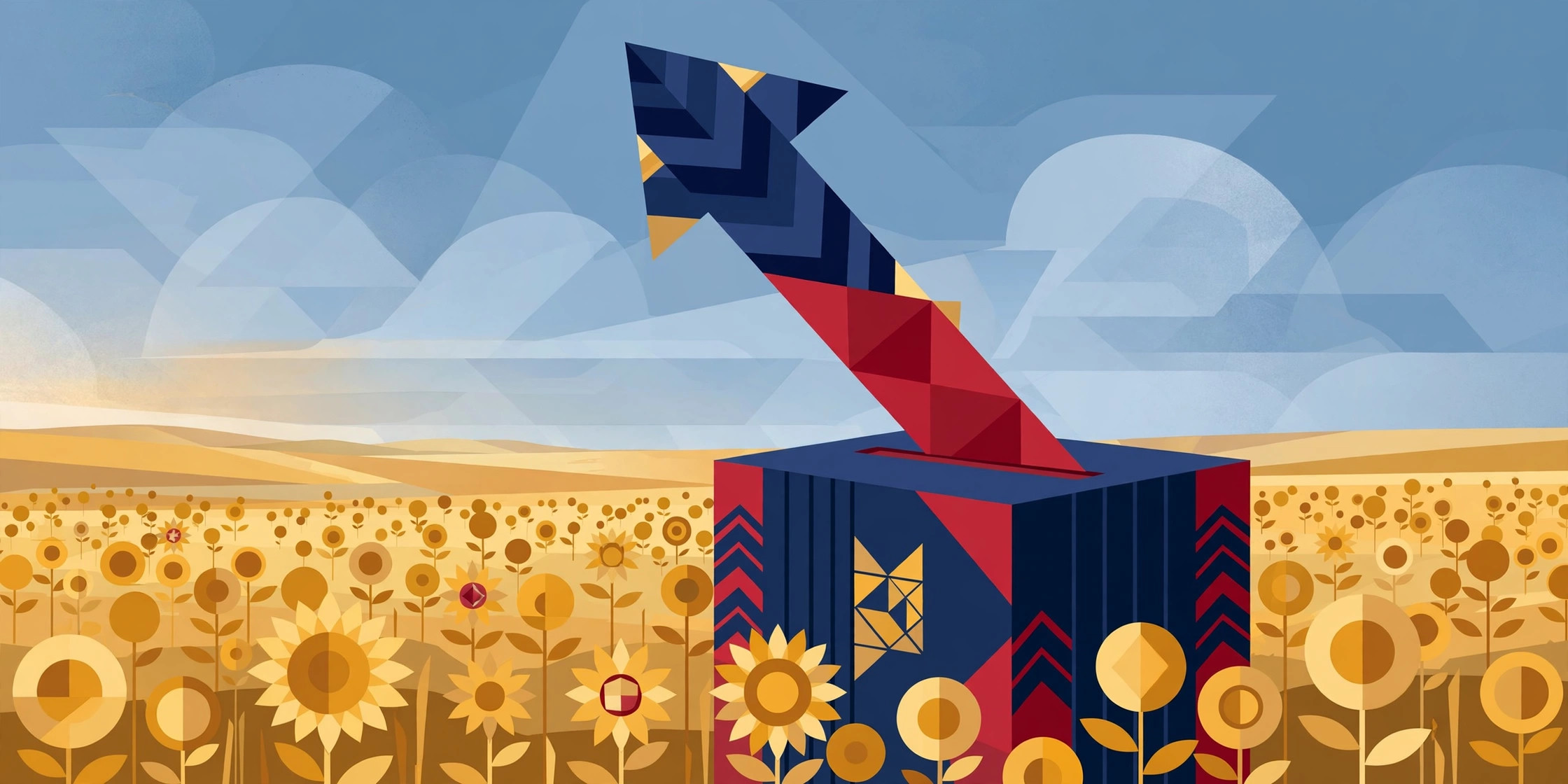
Kansas, one of the most reliably Republican states in the country, is suddenly home to one of the most competitive Senate races in America. In an NPR report published October 14, correspondent Stephen Fowler described a race that few expected: Democrat Adam Hamilton, who brands himself an "independent-minded Democrat," has led in several polls against Republican Senator Roger Marshall, just three weeks before the November 3 midterm elections.
Two years ago, Donald Trump won Kansas with 57 percent of the vote. If Hamilton wins, Kansas voters would elect a Democratic U.S. senator for the first time in nearly a century. The surprise has pulled both parties' money into the state: tens of millions of dollars have been redirected to Kansas in recent weeks as national strategists try to shape the race. And on Tuesday, Trump announced he would travel to Wichita next week to campaign for Marshall and other Republicans on the ticket.
The Senate race is not the only contest drawing attention. After eight years of Democratic governor Laura Kelly — who is term-limited — Republicans see Kansas as one of their few pickup opportunities in an otherwise difficult midterm environment. State Senate President Ty Masterson, the Republican candidate for governor, leads in polls against Democratic state senator Cindy Holscher, though that race has been less nationalized than the Senate fight.
NPR's reporting frames the moment as a test of how far Trump's second-term agenda can go before voters push back — particularly in the Midwest, where tariff policy and rising fuel prices have hit Republican-leaning states disproportionately hard. With early voting already underway in Kansas, neither side is taking the outcome for granted.
The Kansas race is a pressure gauge for the entire midterm map. If a state Trump carried by double digits is genuinely in play, it suggests the electoral environment has moved sharply against Republicans — and it would put the Senate majority, already contested, into a much wider field of battle. A near-century streak without a Democratic senator is not just trivia; it measures how deep the state's Republican identity runs, and how far it would have to crack for Hamilton to win.
The dynamics also tell a story about the modern electorate. Hamilton's "independent-minded Democrat" pitch is aimed squarely at Kansas voters who may be uneasy with the national party but willing to cross lines for the right candidate — a lane that has worked for Democratic governors like Laura Kelly. Marshall, meanwhile, is betting that Trump's direct intervention in Wichita can re-nationalize the race and bring wavering Republicans home. Which of those theories wins in Kansas will be read nationally as evidence about what works in 2026.
The governor's race running alongside it adds a second data point. If Republicans reclaim the governor's mansion while losing the Senate seat — or vice versa — the split-ticket pattern would say a lot about whether Kansas voters are rejecting a party or a candidate.
The calendar is short. Trump's Wichita rally next week will test whether a presidential visit can move the numbers in Marshall's favor. Both campaigns will spend heavily in the final weeks as early voting continues, and the polling trend — whether Hamilton's lead holds, grows, or fades under pressure — will be watched as a national indicator. Election Day is November 3. What is established: Kansas has a genuinely competitive Senate race for the first time in living memory, a Democrat is leading some polls in a state Trump won easily two years ago, and the president himself is flying in to try to save the seat.