 What's trending, explained.
What's trending, explained.
What's trending, explained.
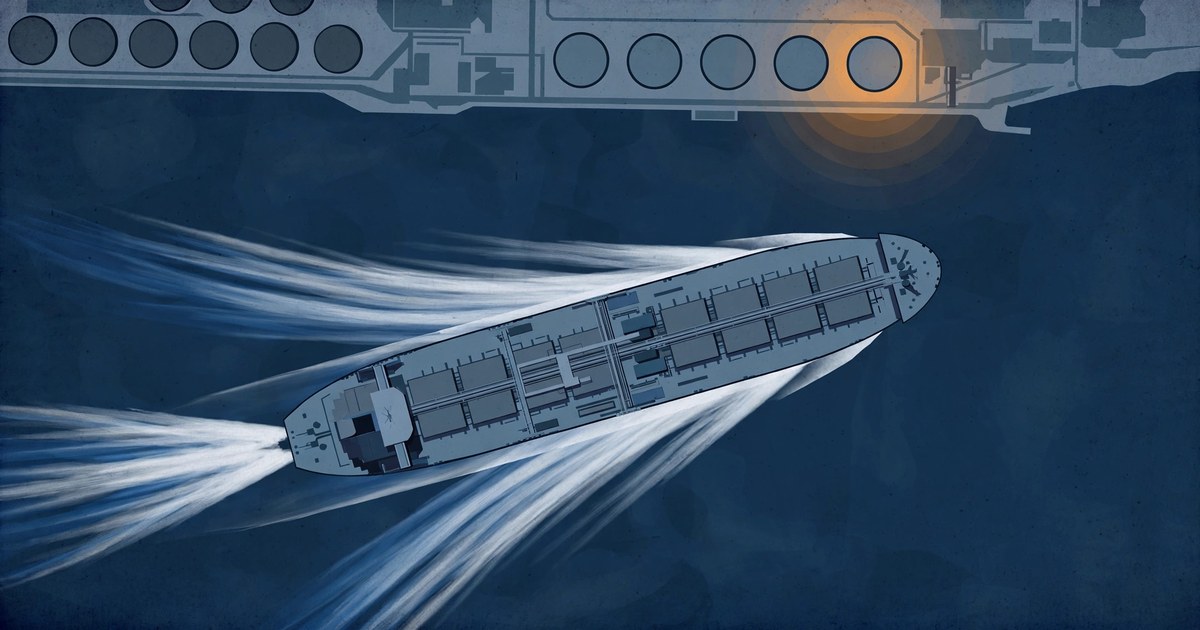
President Donald Trump announced on October 9 that Russia will supply large quantities of diesel to the United States and global markets, in a deal struck directly with Vladimir Putin. Trump said on his Truth Social platform that Putin had agreed to release 300,000 tonnes of diesel immediately, followed by 500,000 tonnes in November, another million tonnes "immediately thereafter," and potentially three million more tonnes on top — though the later shipments would depend on the condition of Russian refineries, several of which have been hit by Ukrainian drone strikes.
The same day, the Treasury Department's Office of Foreign Assets Control issued a temporary licence permitting imports of Russian diesel into the United States until April 7. Other Russian assets, including funds held in American banks, remain frozen. Russia had restricted its diesel exports earlier this year amid domestic supply problems, so the deal amounts to a partial reversal of the sanctions posture Washington has held toward Russian energy.
Ukraine's President Volodymyr Zelensky responded furiously. In a voice memo to Western journalists and social media posts, he described the arrangement as a "gift to Putin" and "an investment in a war that must be ended, not prolonged," warning that Russia would repay the diesel with "further terror" against Ukrainian cities. He called the decision "unworthy" of partners and "a weak decision by strong partners," at one point likening it to "a happy birthday present for Putin," whose 74th birthday fell earlier that week.
On October 10, Trump fired back. He told reporters that Zelensky was "trying to cause problems around the world" and that it was "time for Ukraine to get a new president." He also said Ukraine could do what it wanted regarding Russia but should stop striking oil refineries, because those attacks create problems for fuel prices globally.
The politics here are two-sided. Domestically, the deal is aimed at fuel prices: American drivers have been paying elevated prices for petrol and diesel, and the administration wants relief before the November 3 midterm elections. But analysts quoted in the coverage are skeptical it will work. Investment strategist Tim Armitage of Quilter Cheviot said the initial shipment was too small to move U.S. fuel prices in any meaningful way, and described the move as a "slightly desperate" pre-election gesture.
Internationally, the diplomatic cost has been immediate. EU foreign affairs chief Kaja Kallas warned that easing sanctions "provides Moscow with more revenues to wage war." Britain said it would maintain pressure on Russia, and Australia's Energy Minister Chris Bowen said his country neither needs nor wants Russian fuel and has arrangements to keep it out. The deal also landed while Ukrainian negotiators were preparing to meet U.S. envoys over the weekend to discuss energy policy and wartime support — Zelensky suggested the Putin deal was agreed "behind Kyiv's back."
There is a legal and supply side too. Whether Russia can actually deliver the promised volumes is uncertain, given that Ukrainian strikes on refineries have already cut diesel production. And the Treasury licence expires April 7, making this a time-limited arrangement rather than a permanent sanctions rollback.
The first test is the shipment itself: whether 300,000 tonnes actually lands, who pays for it, and when. The White House has not clarified those details, and analysts doubt the timeline for November deliveries given the refinery damage.
The second test is political. The November 3 midterms will show whether voters credit the administration for acting on fuel prices or punish what critics frame as subsidizing Russia's war economy. And the Ukraine relationship is now openly strained — with Trump publicly musing about replacing Zelensky, the weekend talks between U.S. and Ukrainian envoys take on added weight. If the diesel flows and prices fall, the administration will claim vindication; if not, it gets the diplomatic damage without the domestic payoff.