 What's trending, explained.
What's trending, explained.
What's trending, explained.
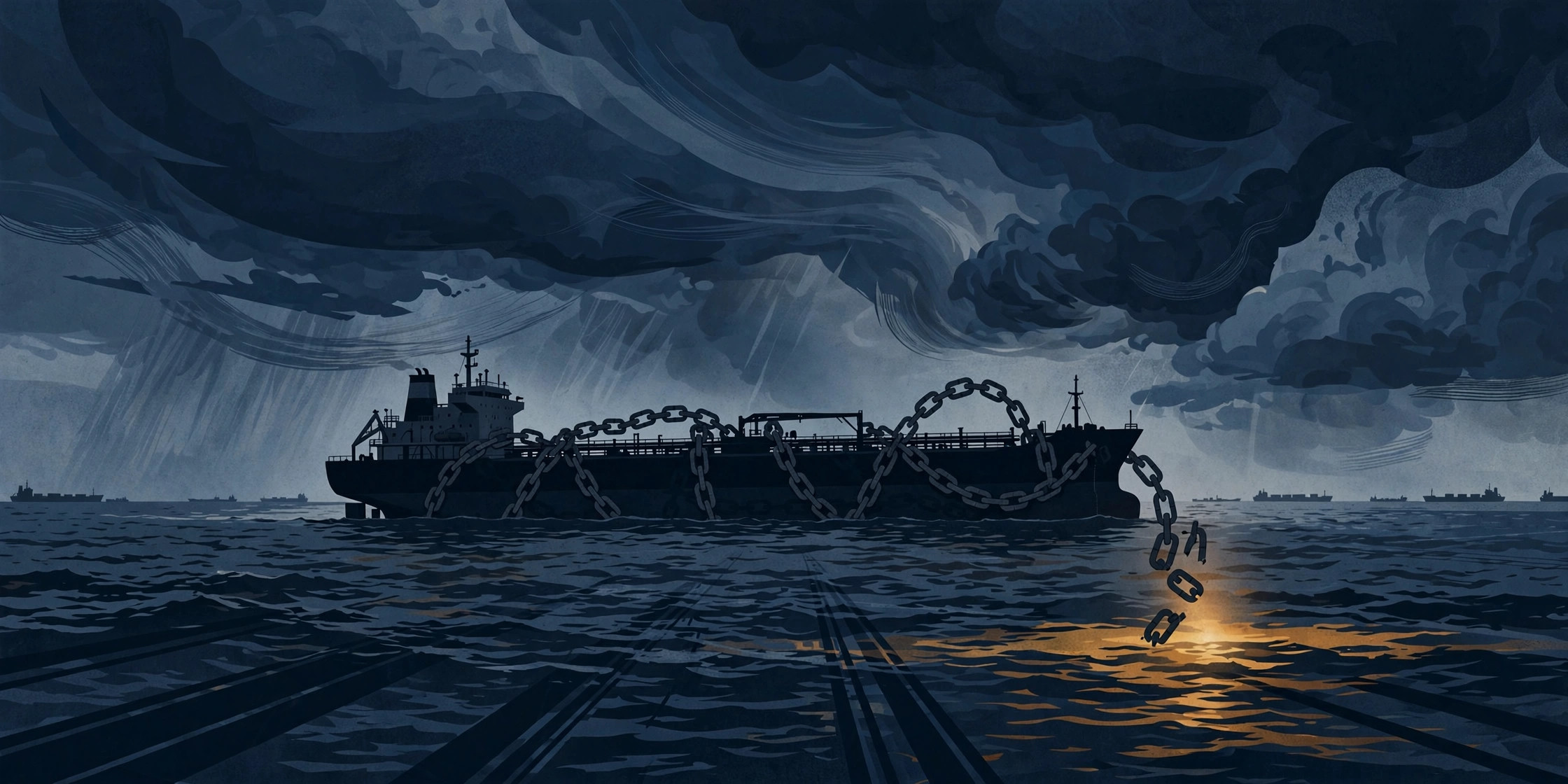
On Friday, October 16, President Donald Trump signed an executive order waiving most of the sanctions, restrictions and duties in a Russia sanctions law he himself signed just a month earlier — two days before the new measures were scheduled to take effect.
The law, the Lindsey O. Graham Sanctioning Russia and Iran Act of 2026 — named for the late South Carolina senator who championed it in Congress — was designed to tighten economic pressure on Moscow over its invasion of Ukraine. Among other things, it authorized duties of up to 500% on goods imported from Russia, and up to 100% on goods from the five largest importers of Russian crude oil and natural gas that made new purchases on or after October 18. China, India and Turkey are among the biggest buyers of Russian energy. The act also targeted the top facilitators of oil-sanctions evasion, sanctioned Vladimir Putin and senior Russian officials, and restricted US investment in Russia, purchases of Russian sovereign debt and energy transactions.
Trump's order, titled "Implementing the Lindsey O. Graham Sanctioning Russia and Iran Act of 2026," invokes the law's own escape hatch: Section 115 allows the president to waive its measures if he certifies to Congress that doing so is in the national interest and submits a report explaining why. Trump wrote in the order that he had submitted that certification and report. The waiver has no calendar end date — it stays in force until Trump or his designated officials decide "further action is appropriate." The order also directs US officials to keep tracking which countries buy Russian oil and gas and watch for sanctions evasion.
Crucially, the waiver covers only the new law. Sanctions on Russia imposed under earlier executive orders remain fully in place, and the act's provisions themselves remain on the books — just unenforced while the waiver stands.
The reversal is striking because of the timing and the context around it. Reuters reported that the move comes as Trump has been warming toward Moscow while publicly criticizing Ukrainian President Volodymyr Zelensky, including suggesting that Ukraine needs a new leader. Last week, Trump announced a deal to work with Putin to release Russian diesel into global markets, and Zelensky called that decision "weak." Bipartisan senators have demanded Trump rescind the diesel arrangement and enforce the sanctions law instead.
There is also a domestic clock. Bloomberg reported that the act's provisions complicated efforts to lower diesel prices, which are near record highs, with the November 3 midterm elections less than three weeks away. Suspending the 100% duties avoids a direct clash with China, India and Turkey — all major buyers of Russian oil that had raised concerns about the bill, according to Reuters.
For Moscow, the waiver means the feared energy-revenue squeeze is off the table for now. For Ukraine, it is another signal that Washington's pressure is shifting direction: Zelensky's forces have meanwhile resumed striking Russian oil refineries after Trump publicly urged Kyiv to stop.
Watch whether the waiver stays quiet or draws a congressional fight. The act's backers in Congress built the waiver authority in, but senators from both parties have already written demanding enforcement of the original measures, including the Russia diesel deal's rescission. If oil or diesel prices fall before November 3, the administration will likely frame the waiver as a consumer win; if they don't, the political logic gets harder to defend.
The monitoring requirement also leaves a door open: the order says officials will report back on Russian energy purchases and sanctions evasion, which gives the White House a running basis to tighten or loosen the waiver later. Until then, the toughest Russia sanctions package in years exists as law on paper — and as a deliberate non-event in practice.